SQT Bio Microneedling - Understanding Spicule Induced Regeneration at the Molecular Level

The Mechanism:
When spongilla spicules are introduced through controlled pressing, they penetrate to the basal layer of the epidermis. This is not perforation, it is selective micro channeling, creating pathways approximately 0.05 to 0.1mm in depth.
At this depth, something remarkable occurs.
The epidermis interprets this contact as a signal. Cytokines are released. Growth factors bind to fibroblast receptors in the dermis. The wound healing cascade initiates, but without the inflammatory burden of traditional mechanical trauma.
This is the sophistication of the spicule: activation without devastation.
The 72 Hour Window:
Unlike conventional microneedling, where the mechanical trauma is immediate and acute, spicules remain embedded in the tissue. For up to 72 hours or until first cleansing, they continue to create micro activation.
This sustained contact allows for:
Prolonged cytokine signaling - continuous communication between epidermis and dermis
Enhanced active delivery - the micro channels remain patent, allowing targeted ingredients to reach therapeutic depths
Progressive collagen remodeling - fibroblasts receive persistent signals to synthesize new structural proteins
During this window, we introduce condition specific formulations:
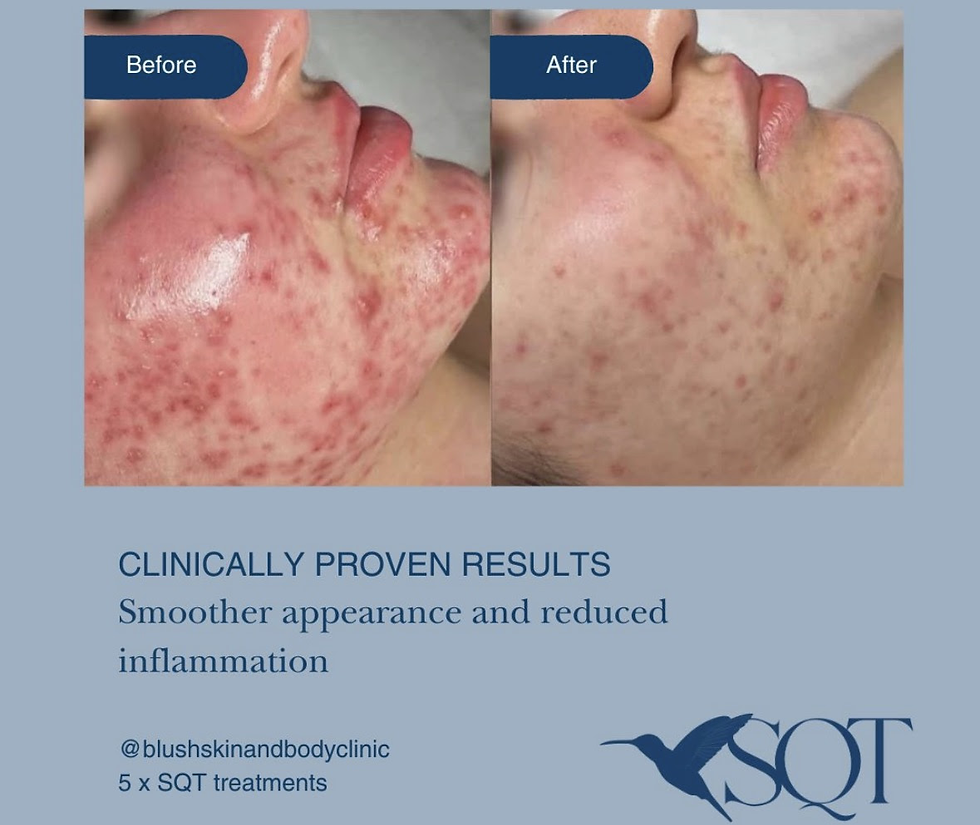
Resurfacing protocols for texture refinement and acne management
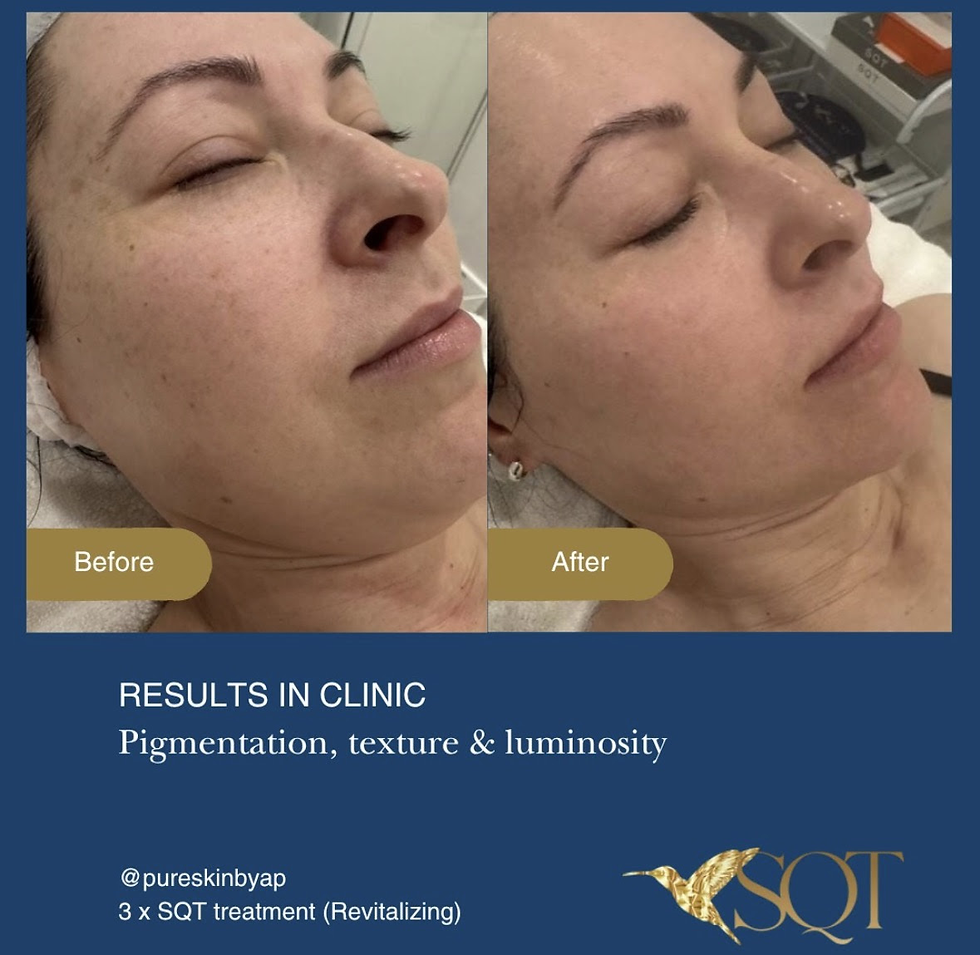
Revitalizing complexes for luminosity and pigment regulation
Nourishing matrices for barrier restoration in sensitised skin
Anti aging concentrates delivering peptides and growth factor mimetics
Body Clarifying protocol for comprehensive treatment of larger areas through five synergistic pathways: antibacterial action (reducing P. acnes and S. aureus), sebum regulation via 5α reductase inhibition, anti inflammatory response (suppressing IL 1α, TNF α, PGE2), gentle keratin metabolism, and oxidative stress neutralization
Each formulation is engineered for molecular compatibility with the post spicule environment, matching pH, osmolarity, and penetration kinetics to maximise cellular uptake.
The Polish Study:
Recent research from Poland demonstrated measurable increases in epidermal thickness after just four sessions of spicule therapy. This finding is particularly significant for individuals with barrier compromise, rosacea, or hormonal thinning.
The skin does not merely recover from treatment. It fortifies.
Clinical Observations:
In practice, we observe:
Minimal transient erythema (resolving within hours, not days)
Comfortable application (described by patients as "unusual but not uncomfortable")
No infection risk (organic compounds, not metal alloys)
Rapid visible results (often noted after a single session)
Compare this to radiofrequency microneedling, which penetrates 4mm with thermal load, or ablative fractional lasers, which deliberately destroy tissue to rebuild it.
The spicule asks a different question entirely:
Not "how deeply can we wound?" but rather, "how intelligently can we communicate with the skin's regenerative capacity?"
This is the future of professional aesthetics - treatments that are not merely effective, but biologically considerate.


Comments